


 UK
site
UK
site
 AU site
 CA
site
CA
site
 EU
site
EU
site


Handwriting can feel like a mystery, but it's really a skill that can be broken down and built up with practice. Parents often ask us how to improve handwriting, and the truth is, there is no single quick fix. What matters is understanding what makes writing clear, why it plays such an important role in learning, and how to spot what is working or not on the page.
From there, it is about using simple and practical strategies to strengthen skills step by step. In this article, we will explore what good handwriting looks like, why it matters, how to analyze your child's writing, and the best ways to help them improve.
What this article covers:
- What Are the Characteristics of Good Handwriting?
- Why Is Good Handwriting Important?
- How to Analyze Your Child's Handwriting as a Starting Point
- How to Improve Your Child's Handwriting
- Conclusion
What Are the Characteristics of Good Handwriting?
Good handwriting is legible, consistent, and efficient:
- Legible: if you (or a teacher) look at the writing, you should be able to read it without having to guess.
- Consistent: letters have a uniform size, regular spacing, anchoring to the lines, and predictable slants or forms.
- Efficient: the writing doesn't feel exhausting. Your child can sustain it for paragraphs, not just sentences.
Beyond those core three, good handwriting often shows good line awareness (staying between or on the lines without dipping or floating), spacing (enough room between letters and words), and appropriate speed (not crawling along, but not so fast it degenerates into “scribble”).
Handwriting also depends on fine motor control, sustained grip, visual-motor coordination, and postural stability.

Why Is Good Handwriting Important?
First, good handwriting matters for communication. Even the best ideas can get lost if the writing is a mess. A teacher might misinterpret a word or skip a point simply because they can't decipher the letters.
Second, writing fluently frees cognitive energy. If children are struggling with letter formation or spacing, their brains are busy with how to write. That leaves less bandwidth for what to write: ideas, structure, vocabulary.
Good penmanship means they can think while their hand is translating words to paper, making it one of the best tips to improve vocabulary for your child. Being able to write by hand also helps with memory and learning overall.
Third, legible writing builds confidence. It's demoralizing for a child to write something carefully, only to hear, “I can't read this.” Improving handwriting often improves motivation to write. And that, in turn, supports everything else, such as spelling, editing, and drafting.
Finally, there's the reality of school: handwritten tests, homework, and note-taking don't always vanish. If handwriting slows children down or causes them to skip details, they risk losing marks.
How to Analyze Your Child's Handwriting as a Starting Point
Before we start drilling or correcting, we need a clear baseline. Think of this as a “diagnostic scan.” What follows are steps we can take to understand what is going on. Then our practice becomes strategic.
1. Collect Samples in Different Settings
Grab a few different writing samples. Ask your child to complete a short school-style worksheet, jot down a casual journal entry, and copy a short paragraph from a favorite book. This variety shows you how their handwriting shifts in different situations.
Do they stay neat when they're copying slowly, but get messy when asked to write quickly? Do they write one way at school and another at home? Comparing these samples helps you spot when and why their writing changes.

2. Observe Letter Formation, Size & Slant
Now take a closer look at the letters themselves. Are tall letters like t, d, and h consistently taller than letters like a, e, and o? Or do some letters shrink while others stretch out of proportion?
Check for slant, too. Some kids mix vertical and tilted letters on the same page, which makes reading harder.
And then there are the common mix-ups: b and d, p and q, m and n. Pay attention to the letters that trip them up again and again. Patterns here point to where extra practice is needed.
3. Check Spacing and Word Separation
Spacing tells you a lot about control. If letters are crammed together, words become a blur. If they're spread too far apart, sentences look disjointed.
A quick trick is to use a finger or a small card as a space guide between words. Watch if your child naturally leaves a gap or if every sentence looks like one long run-on word. Consistent spacing makes writing easier to read and gives each word room to breathe.
4. Look at Line & Margin Use
Lines and margins are like invisible guides, and how children use them reveals spatial awareness. Do their letters sit neatly on the baseline, or do they float and dip unpredictably? Are they pressing into the margins or drifting off the page?
If writing drifts upwards by the end of the line, it might mean fatigue or a lack of control. If they crowd the margins, it can signal that they're not planning ahead. These clues help you see if the problem is more about control than letter shapes.

5. Monitor Grip, Posture, and Fatigue
Handwriting does not only happen on paper. It starts with the body. Watch how your child holds the pencil. A relaxed tripod grip is most efficient, but some kids squeeze too tightly, leaving their knuckles white.
Notice their posture, too. Do they hunch over, or does their back stay upright? Keep an eye on endurance. Do they begin writing neatly, only to get sloppy halfway down the page? That usually signals hand or arm fatigue. Weak core strength, poor posture, or inefficient grip can all drain energy and make handwriting harder.
Once we have collected these details, patterns will start to appear. Maybe letter size is consistent, but spacing needs attention. Or maybe posture and grip are the main culprits. Whatever the case, knowing exactly where the challenges lie makes it much easier to choose the right strategies to help.
How to Improve Your Child's Handwriting
Now for the fun (and gradual) part. Improvement comes through small, consistent steps, never all at once. Below are ways to improve writing that we recommend combining, experimenting with, and tailoring:
Step 1: Warm-Up Drills Before Writing
Muscles need a quick warm-up before they can perform at their best. Have your child spend a minute drawing loops, zigzags, waves, or simple shapes across the page. These movements get the hand and wrist moving smoothly and prepare the brain for letter formation.
Think of it as stretching before a run. Even half a page of easy patterns can sharpen focus and reduce stiffness once real writing begins.

Step 2: Work on Grip & Relaxation
The way a child holds their pencil has a direct impact on control. Encourage a relaxed tripod grip with the pencil resting on the middle finger and supported by the thumb and index finger.
Watch for tension. A grip that is too tight can cause aching hands, while one that is too loose can make letters shaky.
Some children develop alternative grips that still work, so focus on whether the grip supports neat, consistent writing rather than forcing a perfect textbook hold.
Step 3: Experiment with Paper Angles
The angle of the paper can make or break handwriting comfort. Place the paper directly in front of your child, then try adjusting it slightly.
Right-handed children often benefit from a small counterclockwise tilt, while left-handed children usually need the opposite. This minor adjustment helps align the wrist and keeps letters flowing in a straighter line.
Test a few angles until your child finds one that feels natural and helps them maintain neatness from start to finish.
Step 4: Use Structured Worksheets & Models
Clear guides can give children the confidence to form letters correctly. Provide Handwriting Worksheets with dotted lines, raised lines, or grids that show exactly where each letter should sit.
Start with tracing, then move to copying, and finally to independent writing. Include models of uppercase and lowercase letters for easy reference. These supports prevent wandering lines and uneven sizes. Over time, your child will internalize these patterns and no longer need the extra structure.

Step 5: Practice at Varied Speeds
Slow practice builds accuracy, but real-life writing requires fluency. A good exercise is to have your child copy a sentence at a very careful pace, focusing on every curve and stroke. Then have them copy the same sentence again at a natural pace.
Compare the two versions. Over weeks, the “natural speed” version should begin to look closer to the careful one. This method builds automaticity, which means handwriting becomes smoother and easier without conscious effort.
Step 6: Integrate Handwriting into Meaningful Activities
Drills are useful, but kids are more motivated when writing has purpose. Let them create a birthday card, start a comic strip journal, or write a shopping list for the family. Encourage short notes to friends or labels for drawings.
These small but meaningful tasks turn handwriting into a tool rather than a chore. The more children see writing as part of daily life, the more likely they are to practice willingly and improve naturally.
Step 7: Strengthen Underlying Skills
Strong handwriting depends on more than fingers. Core muscles, shoulder stability, and fine motor strength all play a role. Add activities like squeezing playdough, clipping clothespins, threading beads, or building with blocks to strengthen small muscles. Games that involve balance, climbing, or catching can build core stability too.
These playful exercises develop the physical foundation needed to sit upright, hold a pencil securely, and write for longer without fatigue.

Step 8: Be Consistent, Gentle, and Goal-Oriented
Too many corrections at once can overwhelm a child. Pick one or two focus areas, such as spacing or slowing down, and stick with those for a few weeks. Point out progress when you see it, no matter how small. Praise builds confidence, and confidence builds persistence.
Revisit goals regularly and adjust them as skills grow. Writing even a little each day is more effective than occasional long sessions, so consistency really does matter here.
Step 9: Monitor Progress and Adapt
Keep old samples so you can compare progress over time. Look for changes in letter size, spacing, or overall neatness. If improvement stalls, rethink your approach. Maybe your child needs more fine motor play, or perhaps a new set of worksheets with clearer guides.
Some habits may take longer to change, especially with older children, but steady encouragement and small adjustments will keep progress moving forward.
In the same way as when learning how to improve reading comprehension, the key is to adapt rather than push harder in the same way.
Conclusion
Good handwriting grows from a mix of clear goals, daily practice, and a little patience. The important parts are knowing what makes writing effective, spotting where your child struggles, and using practical strategies to build skills step by step. When children learn how to form letters neatly, keep their spacing consistent, and write without tiring too quickly, the benefits show up in schoolwork, confidence, and everyday communication.
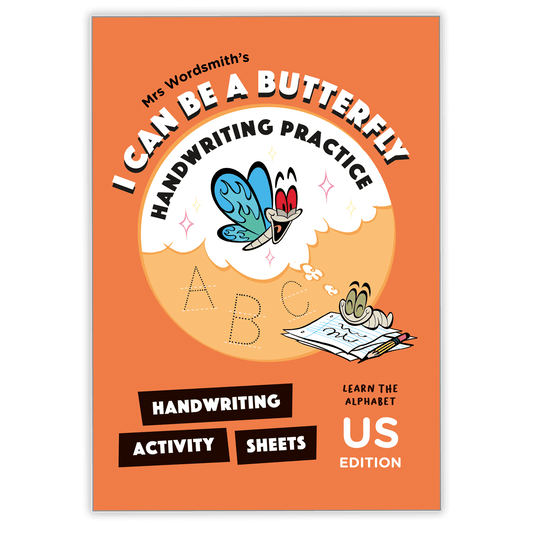
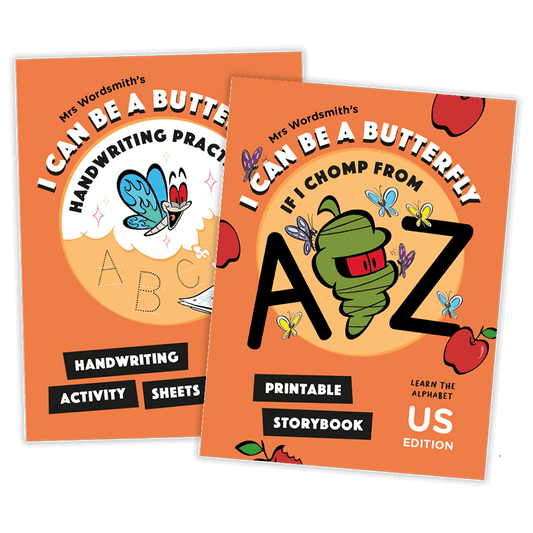
If you're ready to make handwriting practice easier and more fun, explore our resources at Mrs Wordsmith and bring the right tools straight into your home.






 https://mrswordsmith.com
Comment
Leave a comment