


 UK
site
UK
site
 AU site
 CA
site
CA
site
 EU
site
EU
site

Figuring out how to teach a 3-year-old to write with alphabet worksheets can feel confusing at first, but it becomes much easier with the right steps. At this age, children are building fine motor skills, exploring their first letters, and beginning to connect writing with reading. Worksheets are a simple way to guide that process because they provide structure while still leaving room for fun.
In this article, we'll look at how to know when a child is ready, the best ways to use worksheets, and practical tips like focusing on one letter at a time, adding sensory activities, and celebrating small wins.
What this article covers:
- How Do You Know Your Child Is Ready to Learn Writing?
- How to Teach Your 3-Year-Old to Write Using Alphabet Worksheets
- How to Teach a 3-Year-Old to Write with Alphabet Worksheets (FAQs)
- Conclusion
How Do You Know Your Child Is Ready to Learn Writing?
The first signs usually appear in small ways. Your child may enjoy scribbling on paper, drawing shapes, or pretending to “write” like you do. They may also start recognizing letters in books, on signs, or in their favorite shows.
At age 3, children are still developing fine motor control, so holding a crayon or pencil correctly is a big step. If your child shows interest in letters and can hold writing tools with some control, they're ready to start practicing with alphabet worksheets.

How to Teach Your 3-Year-Old to Write Using Alphabet Worksheets
Alphabet worksheets give young learners a clear path toward writing skills. They offer structure while still keeping learning fun, and they allow parents to guide practice in manageable steps. Here's how to make the most of them:
1. Start with Pre-Writing Skills
Before children even begin forming letters, they need strong hand and finger muscles. Pre-writing activities like squeezing playdough, building with blocks, stringing beads, or coloring with thick crayons strengthen grip and coordination.
These tasks also encourage kids to move their hands in different directions, which makes tracing and shaping letters much easier later on. A child who spends time on pre-writing skills will have an easier time holding a pencil, staying on the lines, and building stamina for longer writing sessions.
2. Introduce Tracing Worksheets
Tracing is the bridge between pre-writing play and actual letter formation. Choose worksheets with bold outlines or dotted letters to start.
Begin with uppercase letters, since they're often easier for small hands, and then move on to lowercase. Show your child how to follow the dotted lines slowly, using gentle guidance if they rush. Praise their effort, not just the result, because early tracing will look wobbly.
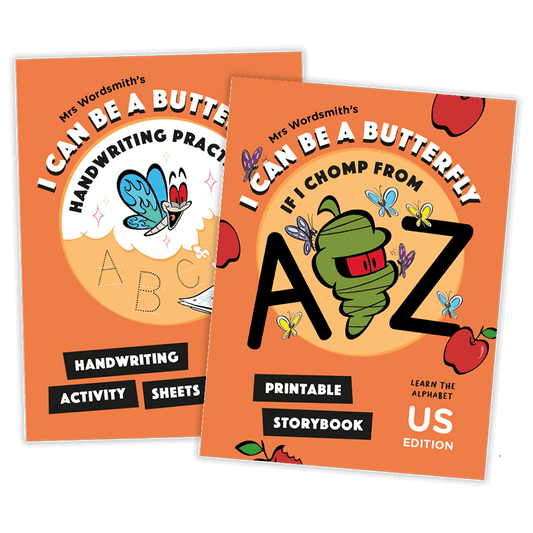
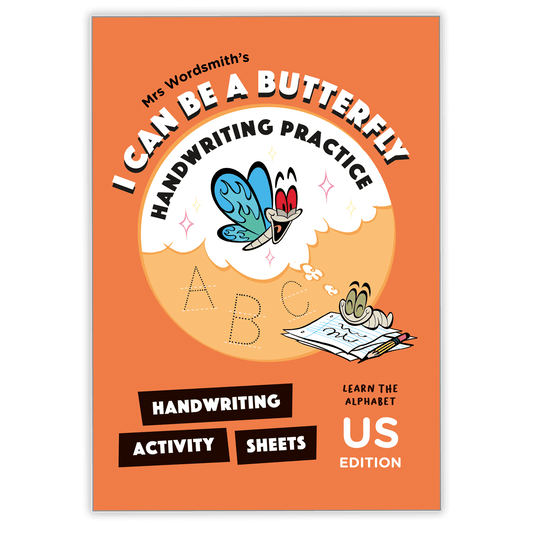
Parents and kids alike love our writing worksheets because the pages are clear and easy to use, even for children who are just starting out. The colorful illustrations capture attention, which helps kids stay focused longer than they might with plain practice sheets.
Many families share that their children feel proud when they finish a page. That sense of achievement builds motivation, and it turns practice into a moment kids look forward to rather than resist.

3. Use Repetition Without Pressure
When learning how to improve handwriting in kids, repetition is one of your best tools. However, it only works if it feels enjoyable.
A few minutes of tracing every day or every other day is more effective than a single long session. Keep practice short and sweet, and let your child stop when they've had enough. If frustration creeps in, it's time to pause and try again later.
Worksheets shine when paired with encouragement, whether that's a sticker, a clap, or simply saying, “I love how carefully you tried that letter.” Positive reinforcement helps kids look forward to the next session.
4. Connect Writing with Reading
Children learn best when skills are linked. As your child works through a worksheet, say the letter name out loud and practice its sound together. Point out examples in books, cereal boxes, or signs to show how letters appear in real life.
For instance, while tracing the letter B, talk about words like ball, bear, and banana. This makes worksheets feel meaningful because your child sees that letters carry sounds and connect to things they already know.
5. Encourage Independent Writing
Once your child feels confident tracing, it is time to let them try on their own. Worksheets with blank lines or light guidelines are a good place to start because they still provide structure without dotted lines. Begin with uppercase letters since their straight lines and simpler shapes are easier for small hands. Lowercase letters can follow once the basics are in place.
Don't worry about perfectly shaped letters at this stage. What matters is that your child is experimenting, practicing control, and beginning to recognize their own writing. Over time, their strokes will become steadier and their confidence will grow with each attempt.

6. Add a Sensory Element
Young children learn best when they can use more than one sense. Try inviting your child to “write” letters in salt trays, finger paint, or even shaving cream spread on a tray. These activities are fun, but they also strengthen memory of letter shapes because children feel the movements as they create them.
You can take it a step further by saying the letter name and sound while they draw it. Once they have had fun with a sensory version, return to a worksheet featuring the same letter. This reinforces the link between playful exploration and more structured writing practice.
7. Focus on One Letter at a Time
Covering the entire alphabet quickly can feel overwhelming for a 3-year-old. A more effective approach is to spend time on one letter until your child feels comfortable. Worksheets that dedicate a full page to a single letter make this process simple and manageable. You might spend a few days on “A” before moving on to “B.”
This steady pace helps children remember what they have learned and gives them time to master both the shape of the letter and its sound. The slower rhythm also keeps practice calm, which makes children more willing to return to worksheets day after day.
8. Celebrate Progress and Display Work
Recognition means everything at this age. When your child finishes a worksheet, place it somewhere they can see, like the fridge or a corkboard. A “writing wall” in their room can also be a fun project. The focus should be on effort rather than perfect handwriting. Say things like, “I love how hard you worked on that letter” to reinforce their motivation.
Many parents find that children want to show off their work to family members, which boosts pride and encourages them to keep practicing. Making their progress visible turns worksheets into milestones they are excited to reach.

9. Keep Sessions Short and Predictable
Three-year-olds thrive on routine, but their attention spans are short. Aim for five to ten minutes of worksheet practice at a regular time of day, such as after a snack or before storytime. A predictable routine signals to your child that writing practice is a normal part of the day.
The short length keeps frustration at bay and makes it easier to stay consistent over weeks and months. Parents often notice that kids start asking for worksheets once it becomes a familiar, manageable habit.
10. Make Writing Social
Writing does not have to be a solo activity. Sit with your child and model writing letters alongside them. Older siblings can join in by practicing their own letters or “teaching” the younger child.
This creates a sense of teamwork and makes the activity feel more interactive. Children are often motivated when they see that writing is something the whole family values, and they love the shared attention that comes with learning together.
Conclusion
Helping a 3-year-old learn to write the alphabet is all about balance: short sessions, playful activities, and steady progress with worksheets that grow with your child's skills. From strengthening hand muscles to tracing, independent writing, and focusing on one letter at a time, each step builds confidence and creates positive associations with learning.
Adding sensory play, celebrating milestones, and making practice social keeps motivation high and frustration low. With the right approach, writing can become a daily routine your child enjoys. Explore Mrs Wordsmith to give your child fun, effective tools for their very first writing journey.

How to Teach a 3-Year-Old to Write with Alphabet Worksheets (FAQs)
What writing tools are best for 3-year-olds?
Thick crayons, chunky pencils, or washable markers are easiest for little hands to grip. They provide better control than standard pencils, which can feel slippery or too small.
How many letters should my child learn at once?
Introduce one new letter at a time. This allows your child to build confidence before moving on, while reinforcing what they already know.
How do I know if my child is struggling?
If your child avoids writing altogether, gets upset often, or cannot grip a pencil after plenty of practice, it may be worth checking in with their teacher or pediatrician for guidance.



 https://mrswordsmith.com
Comment
Leave a comment