


 US
site
US
site
 AU site
 CA
site
CA
site
 EU
site
EU
site


Helping a child learn to write can feel a little mysterious, especially when you want to cheer them on but aren't sure where to begin. That's exactly why we put together these writing tips for kids, filled with ideas that are easy to try and fun to use.
We talk about reading together, making writing a regular part of life, and letting kids follow their big interests. We also look at how gentle structure, positive feedback, and simple routines can turn writing into something they look forward to.
Along the way, we share tools that spark imagination, build vocabulary, and give kids a comfy place to create. Our goal is to help you feel ready to support your child's writing in a way that brings more smiles and less stress.
What this article covers:
- 6 Tips for Improving Writing Skills for Kids
- 7 Best Tools for Helping Your Kid Write Better
- Kids' Writing Tips FAQs
- Conclusion
6 Tips for Improving Writing Skills for Kids
Helping kids grow as writers can feel surprisingly fun once you know where to start. These tips break things down into simple steps that turn writing into something they'll actually look forward to:
1. Read Together Often and Widely
Reading is one of the easiest ways to spark stronger writing. Kids pick up so much just by hearing different voices and styles, whether you're sharing a goofy picture book or flipping through a short nonfiction page about volcanoes.
Each story shows them new words, fresh rhythms, and fun ways to put writing ideas for kids together. Even quick read-alouds help them start recognizing what makes writing clear or exciting.
Over time, they build a mental library of language they can draw on when it's their turn to create something.

2. Make Writing a Habit and Part of Daily Life
Writing feels more natural when it shows up every day. A tiny daily note, a quick joke they jot down, or a message for a family member all help kids get comfortable putting thoughts into words.
These small bits of practice add up fast. They learn to write without overthinking every sentence, and they start to enjoy it, too. When writing becomes a normal part of the day, confidence grows quietly in the background.
3. Keep Writing Playful and Connected to Their Interests
Kids jump into writing much faster when the topic feels fun. If they're obsessed with dinosaurs, ask them to invent a brand-new species. If they love soccer, they can write a match recap from the point of view of the ball.
Letting them choose topics that feel exciting turns writing into an adventure instead of a chore. You can also play quick games together, like tossing them three random words and challenging them to work all of them into a story. When they're smiling, they're learning.
4. Support Structure Without Overwhelming Them With Rules
Kids need structure, but they also need room to explore. Instead of pointing out every mistake, try focusing on one small skill at a time, like making sentences more descriptive or adding a stronger opening.
This keeps things positive and clear. Show them examples from the books you read together, or model how to fix a tricky sentence by thinking aloud.
When kids see structure as a helpful guide rather than a list of rules, they start using it on their own. And that's when their writing really begins to shine.

5. Model Writing in Everyday Life
Kids notice what the adults around them do, even during quick, everyday moments. When they see you write a note, make a list, or leave a message on the fridge, writing starts to feel normal and useful.
These small examples show them that writing helps people share thoughts and stay connected. You don't need a big routine. A tiny note or idea scribbled down is enough to spark interest and make writing feel familiar.
6. Encourage Revision and Positive Feedback
Kids become stronger writers when they learn that writing can grow and improve. Revision helps them look at their ideas with fresh eyes, especially when the focus stays simple and clear.
You might choose one thing to work on together, like adding a detail or smoothing out a sentence. Keep the tone positive. Celebrate what they did well so they feel confident trying new things in their next piece of writing.
Not sure when to begin teaching your child to write? Check out our guide on when do kids start writing.
7 Best Tools for Helping Your Kid Write Better
Kids write with more confidence when they have tools that feel fun and easy to use. These picks turn writing into something kids look forward to trying, even on busy days:
1. Writing Journals and Dedicated Writing Spaces
A journal gives kids a spot that feels completely their own. It's the perfect place for silly stories, secret notes, or quick thoughts they want to capture. Add a cosy corner or a few colorful pens, and suddenly writing feels like an activity they chose, not something they were assigned.
Kids love having a space that feels inviting. When the setup feels fun, they return to it more often without being asked.

2. Graphic Organizers
Graphic organizers help kids make sense of ideas that can feel too big to sort through. A story map can guide them from the main character to the final moment of the plot. Sequencing sheets help them line things up so the story flows without confusion.
These simple templates turn planning into a quick win and make the writing feel lighter. Kids enjoy seeing their thoughts take shape before they even start.
3. How to Write a Story Bundle
Our How to Write a Story Bundle gives kids an exciting way to dive into storytelling. It shows them how to build characters, invent settings, and plan out what happens next. Kids get to see how a tiny idea can turn into a full story they're proud to read aloud.
Each activity encourages creativity while giving them a clear sense of structure. It's a great pick for kids who love to dream up adventures.
4. Alphabet and Handwriting Practice Sheets
Handwriting worksheets help younger writers feel more confident with the basics. Kids practice forming letters until the movements feel natural and smooth. The simpler writing feels in their hands, the easier it is to share their ideas.
These small exercises strengthen fine motor skills without feeling overwhelming. Kids appreciate the quick progress they can see right on the page.

5. Storyteller's Card Game
What are the best writing activities for kids? They're the ones that make writing fun.
The Storyteller's Card Game turns writing into a game kids actually want to play. Each card gives them a spark, whether it's a character, a setting, or a surprise twist that sends their imagination running.
Kids love flipping a new card and figuring out how to fit it into their story. It keeps things light and playful, which is perfect for reluctant writers who freeze when faced with a blank page. With each round, they get better at thinking creatively and building stories on the fly.
6. Voice-to-Text Tools
Voice-to-text tools help kids who have big ideas but get stuck when they try to write them out. Speaking their thoughts aloud lets them focus on storytelling instead of worrying about spelling or handwriting.
Once the words appear on the screen, they can read them back and make small changes together with you. This makes revision feel approachable and even fun.
It's a fantastic option for kids who think faster than they can write or who feel frustrated when their hands can't keep up with their minds.
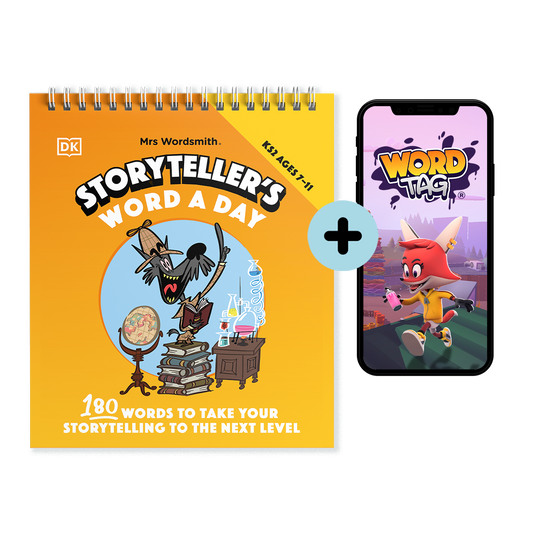
7. Storyteller's Word-a-Day
The Storyteller's Word-a-Day workbook and game helps kids grow their vocabulary one fun word at a time. Each new word comes with a lively example that makes it easy to remember and even easier to use in their own writing.
Kids enjoy seeing how a single new word can completely change the way a sentence sounds. The short daily format keeps things simple and doable, which is great for busy families. Over time, kids start choosing richer, more expressive words without you even reminding them.

Kids' Writing Tips FAQs
How long should my child spend writing each day?
A short, consistent session works best. Ten to fifteen minutes is enough for most kids to build confidence without feeling overwhelmed.
What if my child gets frustrated when spelling is difficult?
Try separating creative writing from spelling practice. Let them get their ideas down first, then pick just a few words to correct together afterward.
How can I help a child who rushes through writing?
Give them small goals, like adding one detail or describing one sound or color. Mini challenges encourage slower, more thoughtful writing without feeling like extra work.
What's the best way to help a child who says they have “no ideas”?
Offer quick prompts that are easy to jump into, like “Write about the best part of your day” or “Describe a place you wish you could visit.” Simple starting points help ideas flow more naturally.
Conclusion
Helping kids grow as writers becomes much easier when you mix regular reading, playful writing habits, gentle structure, and tools that support their creativity. Small daily moments, fun prompts, and clear guidance all work together to build confidence and skill.
Kids learn best when writing feels inviting, personal, and filled with opportunities to explore their own ideas. With the right setup at home, they can turn writing into something they feel proud of.
If you're ready to give your child extra support, explore our collection of writing resources at Mrs Wordsmith and find the tools that fit their style best.



 https://mrswordsmith.com
Comment
Leave a comment